A clogged pipe is one of the most common plumbing problems homeowners face, and it is also one of the most preventable. While a single slow drain might seem like a minor inconvenience, repeated clogs can signal deeper issues in your plumbing system that, if left unaddressed, lead to sewage backups, water damage, and expensive repair bills. The best approach is prevention.
Here are seven proven strategies that our plumbing experts recommend to keep your pipes clear and your plumbing system running smoothly year-round.
1. Watch What Goes Down the Drain
The number one cause of clogged pipes is putting things down the drain that do not belong there. In the kitchen, grease, cooking oil, coffee grounds, and fibrous food scraps like celery and potato peels are the top offenders. In the bathroom, hair, soap residue, cotton swabs, and so-called flushable wipes are leading causes of blockages. Use drain screens in your kitchen and bathroom sinks to catch debris, and always dispose of grease in a container rather than pouring it down the drain.
2. Run Hot Water After Every Use
A simple habit that makes a big difference: run hot water through your kitchen sink for 30 seconds after washing dishes or using the garbage disposal. Hot water helps dissolve and flush away grease and soap residue before it has a chance to cool and solidify inside your pipes.
3. Clean Your Drains Monthly with a Natural Solution
Once a month, pour a half cup of baking soda followed by a half cup of white vinegar down each drain. Let the mixture fizz for 15 minutes, then flush with hot water. This natural cleaning solution helps break down minor buildup without the harsh chemicals that can corrode pipes over time. Avoid chemical drain cleaners from the store, as they often do more harm than good to your plumbing system.
4. Install and Maintain Drain Screens
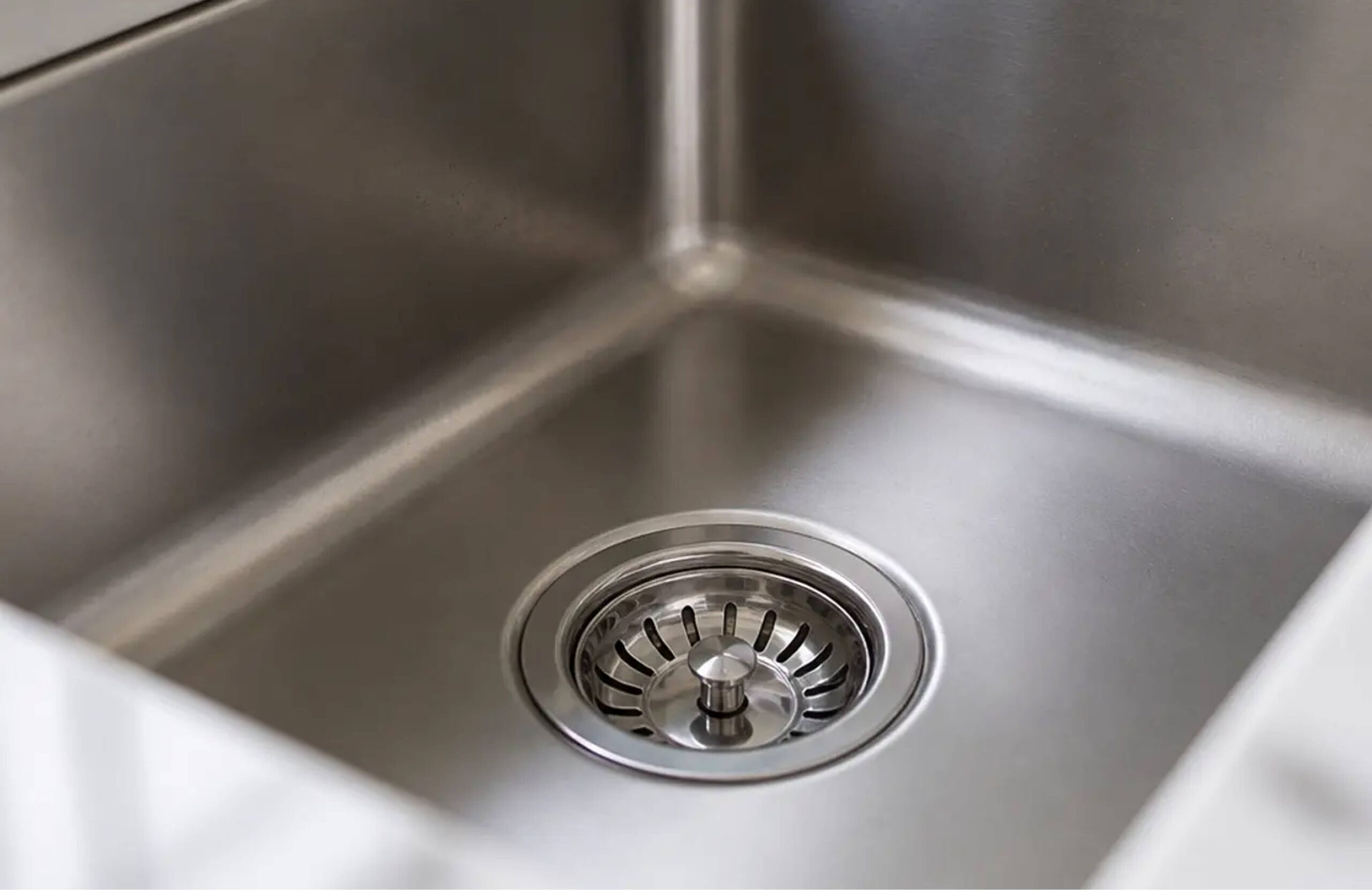
Inexpensive mesh drain screens placed over your shower, bathtub, and sink drains catch hair, food particles, and other debris before they enter your pipe system. Clean these screens weekly for the best results. It is a small investment that prevents the majority of household drain clogs.
5. Be Mindful of Your Garbage Disposal
Your garbage disposal is designed to handle small amounts of soft food waste, not entire meals. Avoid putting hard items like bones, fruit pits, or shellfish shells into the disposal. Run cold water while operating the disposal and continue running it for 15 seconds after turning the unit off to ensure all waste is flushed through the drain line.
6. Schedule Annual Professional Drain Inspections
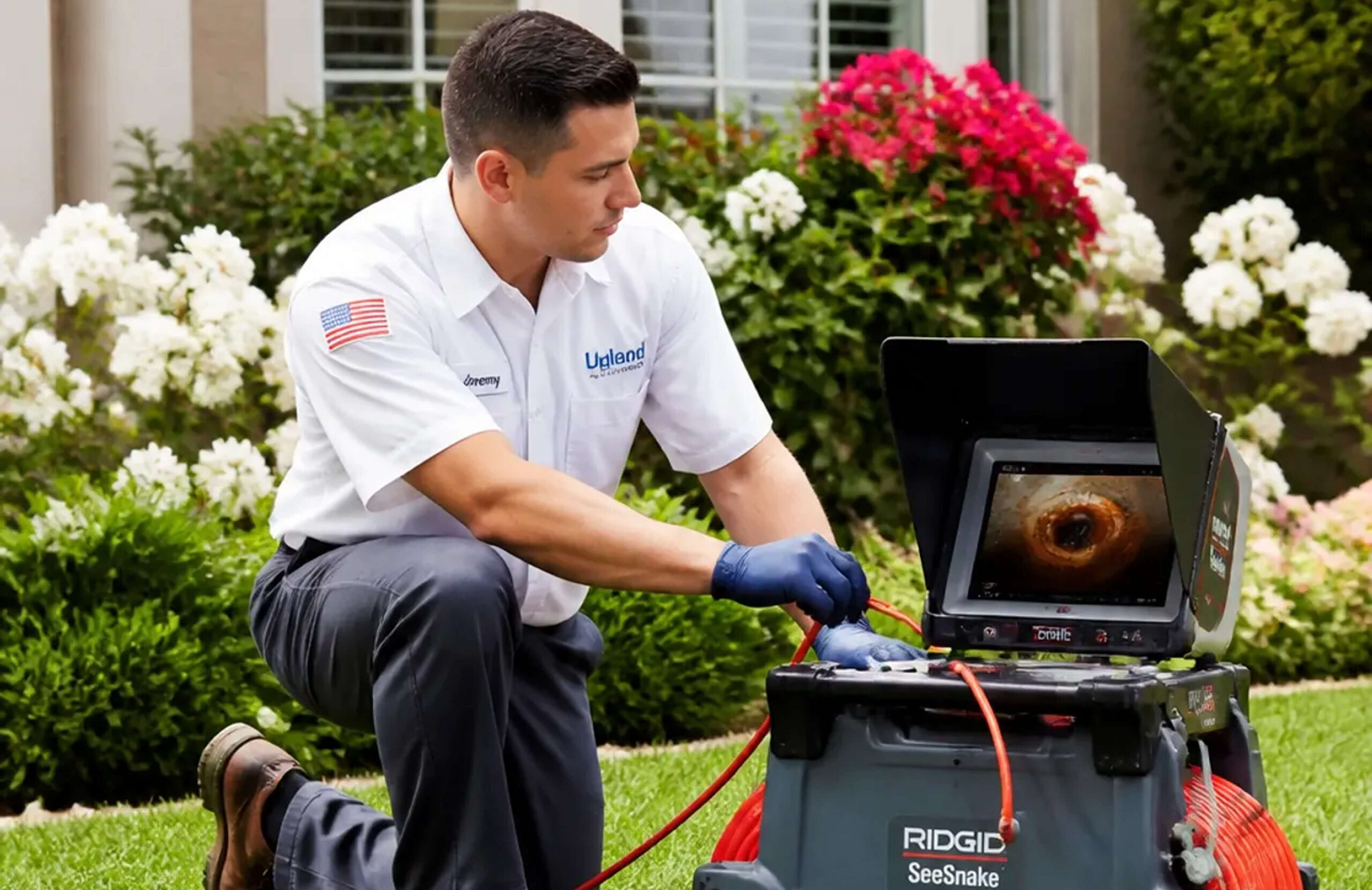
Even with the best prevention habits, buildup accumulates over time. An annual drain inspection with camera technology allows a professional plumber to spot early signs of blockages, root intrusion, pipe deterioration, or misaligned joints before they become emergencies. Think of it as a wellness checkup for your plumbing system.
7. Consider Preventative Hydro-Jetting
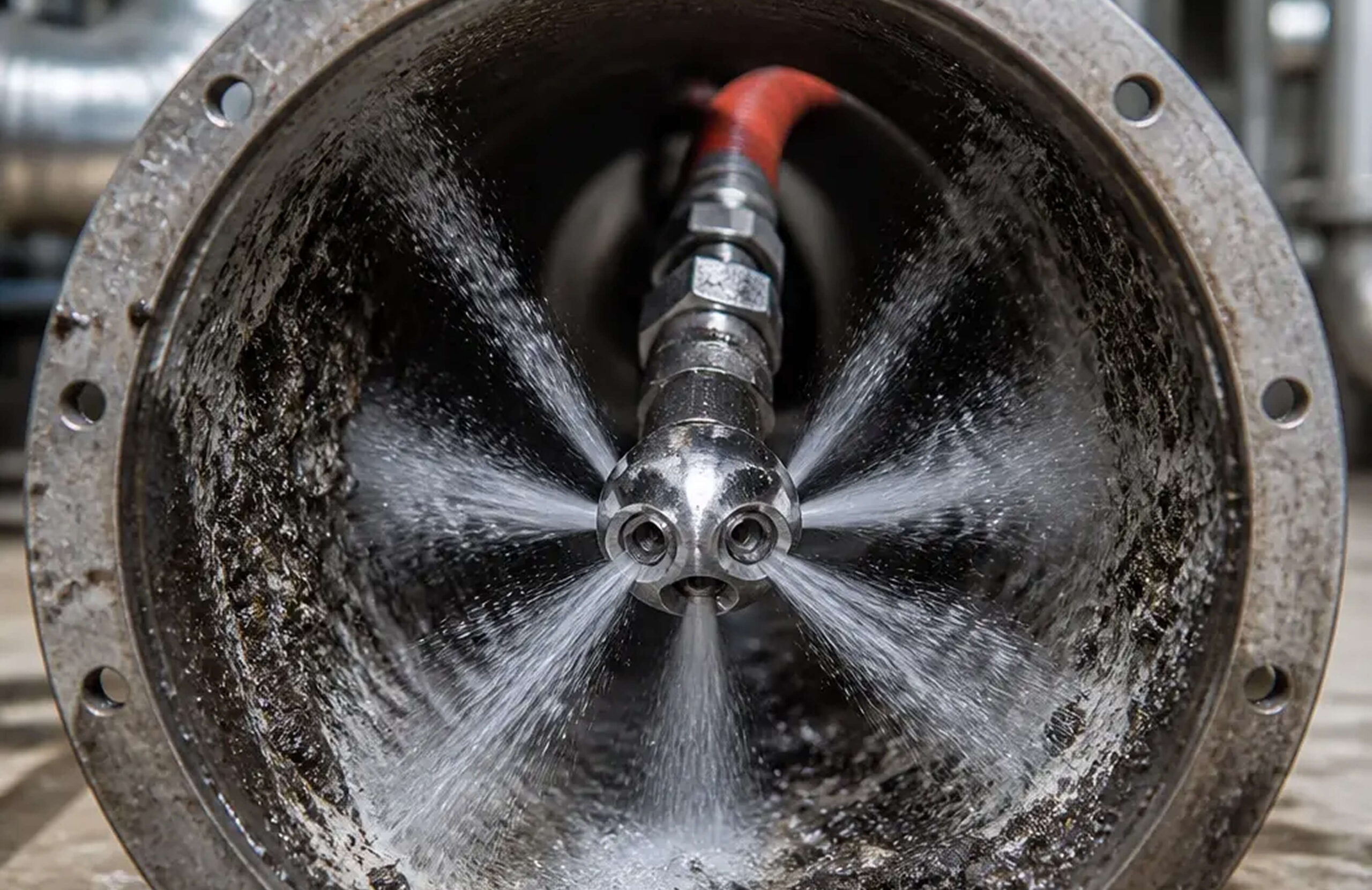
For homes with older pipes, mature trees near sewer lines, or a history of recurring clogs, an annual or biannual hydro-jetting session can keep your entire system clean and flowing freely. Hydro-jetting removes all buildup from pipe walls, restoring full diameter and flow capacity. It is the most thorough preventative maintenance available for residential plumbing systems.
Keep Your Pipes Clear with Professional Help
Prevention is always more affordable than repair. If you are experiencing slow drains, gurgling sounds, or recurring clogs, do not wait for a full backup. Call Water Pipe Repair Install at 909-563-7473 to schedule a professional drain inspection or hydro-jetting service. Our licensed technicians will assess your system and help you develop a maintenance plan that keeps your pipes clean and your home protected.